What is Bakhoor? History, Types, and How to Use It at Home
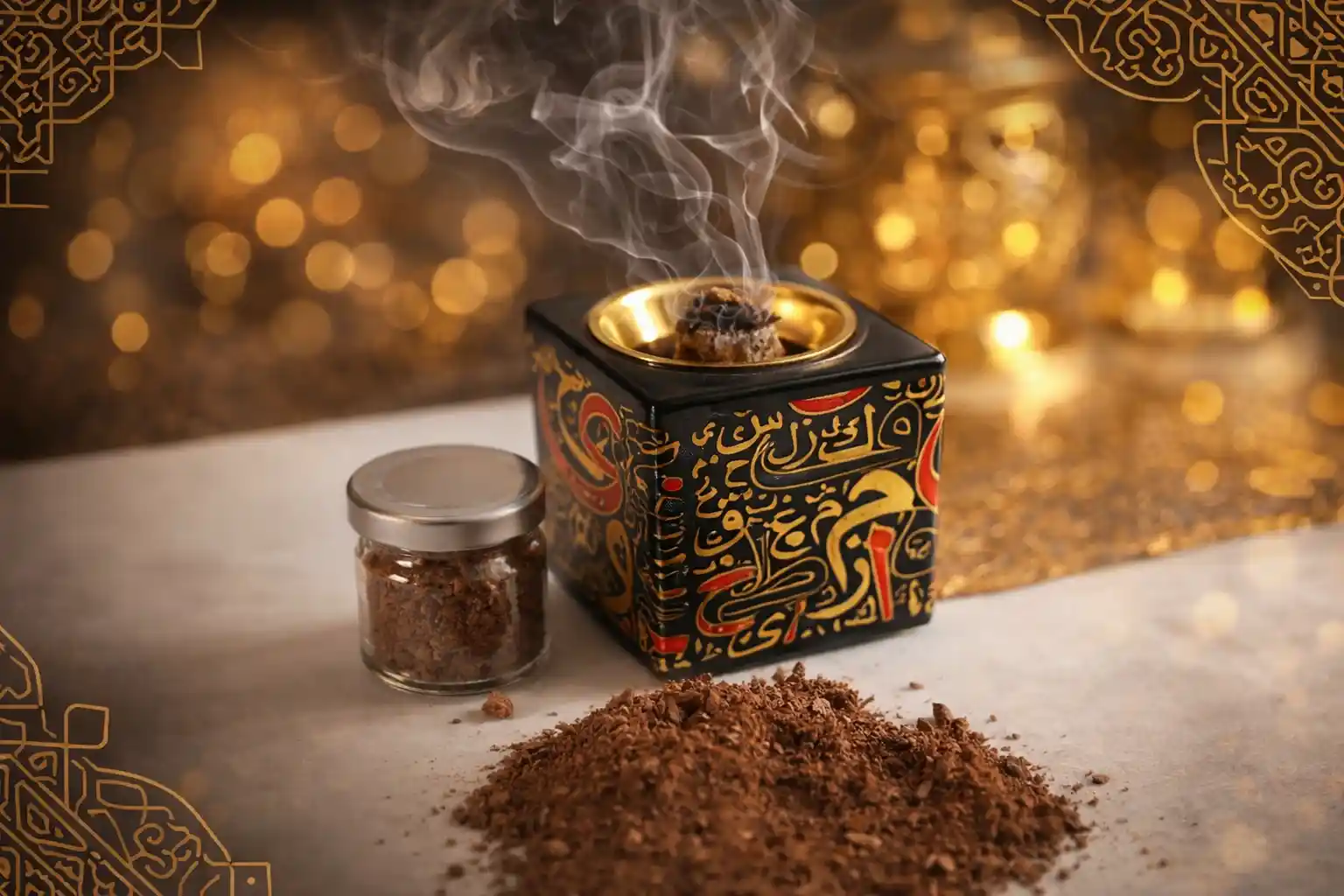
Bakhoor has been filling homes, mosques, and royal palaces across the Middle East with rich, lingering fragrance for thousands of years. Yet for many people outside the region, it remains unfamiliar. What exactly is bakhoor? How is it made? And how do you use it properly at home?
In this complete guide, you will learn everything about bakhoor — its origins, its ingredients, the different types available, how to burn it correctly, and how it differs from other forms of incense and fragrance. If you have been curious about this deeply beloved tradition, this is where to start.
What is Bakhoor?
Bakhoor (also spelled bukhoor or bakhur) is a form of traditional Arabic incense made from natural wood chips — most commonly agarwood — that have been soaked and blended with a rich mixture of fragrant resins, essential oils, musk, ambergris, rose water, sandalwood, and other natural aromatic ingredients.
Unlike raw oud wood chips, which are burned in their natural state, bakhoor is a crafted product. The agarwood base is carefully combined with additional ingredients, dried, and pressed into chips, pellets, or blocks that release a dense, layered fragrance when heated. The result is something deeply complex — a scent that fills a room completely and lingers for hours.
The word “bakhoor” comes from the Arabic root meaning “to perfume with smoke.” This captures exactly what it does: it perfumes the air, fabric, hair, and the walls of a space with fragrant smoke that holds long after the burning is done.
A Brief History of Bakhoor
The tradition of burning aromatic wood and resins stretches back thousands of years. Ancient Egyptians burned fragrant materials in temples as offerings to their gods. The ancient Arabians traded frankincense and myrrh across continents for their sacred scent. In Islamic tradition, burning fragrant incense in the home and mosque has deep roots, following the practice of the Prophet Muhammad (peace be upon him) who held oud in the highest regard.
Over centuries, perfumers across the Arabian Peninsula refined the craft of bakhoor. They began blending raw agarwood with other precious ingredients — musk, amber, saffron, rose — creating increasingly complex and layered compositions. Bakhoor became a symbol of hospitality. Waving it through a guest’s clothing or hair was one of the highest gestures of welcome a host could offer.
Today that tradition is very much alive. From the home of a family in Oman to a luxury hotel in Dubai, bakhoor remains at the heart of Middle Eastern fragrance culture.
What is Bakhoor Made Of?
The exact ingredients in bakhoor vary by maker, region, and tradition, but a fine bakhoor will typically contain:
Agarwood (Oud Wood) — This is the foundation. The resin-rich heartwood of the agarwood tree gives bakhoor its deep, woody, animalic base. The quality and origin of the agarwood used has the greatest influence on the quality of the final bakhoor. You can read more about what oud is and why it is so treasured to understand the depth of this base ingredient.
Natural Resins — Frankincense (lubaan), myrrh, and benzoin are commonly used to add depth, sweetness, and longevity to the smoke.
Musk — Whether deer musk, white musk, or synthetic musk alternatives, musk adds a warm, animalic richness that helps the fragrance cling to fabric and hair.
Ambergris — One of the rarest fragrance ingredients in the world, ambergris adds an oceanic, warm, and lasting quality to premium bakhoor blends.
Rose Water and Rose Oil — Softens the blend, adding a floral sweetness to counterbalance the woody base.
Sandalwood — Often used as a fixative and base note, sandalwood binds the ingredients together and adds a creamy, smooth warmth.
Saffron — In some high-end bakhoor formulations, saffron adds a honeyed, slightly spiced depth that is unmistakably luxurious.
Essential Oils — Various natural oils may be added to customise the scent profile, from amber to jasmine to oud oil itself.
The ingredients are combined, soaked into the wood base, and then dried. Some traditional makers press the mixture and age it for weeks or months before it is ready to burn.
How Is Bakhoor Different from Oud Wood Chips?
This is one of the most common questions for those new to Middle Eastern fragrance.
Oud wood chips are pieces of natural agarwood, harvested directly from the resin-infected heartwood of agarwood trees. When burned, they release the natural oils and resins locked in the wood itself. The fragrance is raw, complex, and entirely dependent on the quality and origin of the wood.
Bakhoor, by contrast, is agarwood that has been blended and crafted with additional ingredients. Think of it as a composed fragrance vs a raw ingredient. Oud wood chips tend to be more austere and pure, appreciated deeply by experienced collectors. Bakhoor tends to be richer, sweeter, and more accessible, making it the more popular everyday choice for homes and gatherings.
Both have their place. Many people burn oud wood chips for personal appreciation or during quiet moments, while reaching for bakhoor when welcoming guests or filling a large space with fragrance.
Types of Bakhoor
Not all bakhoor is the same. Formulations vary significantly based on region, tradition, and the ingredients used.
Emirati and Gulf-Style Bakhoor
Tends to be sweet, warm, and heavily rose-infused. The Gulf tradition often incorporates significant amounts of musk and ambergris, creating a rich, opulent smoke that is warm and enveloping.
Hejazi Bakhoor (Saudi Style)
Generally darker and more resinous, with a strong oud backbone. Often aged longer and considered more intense in profile.
Omani Bakhoor
Known for its use of high-quality frankincense resins alongside oud, giving an earthier, cooler, and slightly medicinal character to the smoke.
Levantine Bakhoor
Lighter and more floral, with rose and jasmine notes playing a more prominent role. Often preferred for everyday use.
How to Use Bakhoor at Home
Using bakhoor correctly is simple once you understand the process. It requires a heat source and a censer — a device designed to hold and heat the bakhoor safely.
What You Need
A Mabkhara (Bakhoor Burner / Censer) — This is the traditional incense burner used for bakhoor. It can be made from clay, ceramic, metal, or decorative wood. The design allows airflow around the heat source and holds the bakhoor chips above the heat.
Charcoal or Electric Burner — Traditional bakhoor is burned over a small piece of charcoal placed in the mabkhara. The charcoal is lit, allowed to turn grey (which indicates it is ready and no longer producing harsh smoke), and the bakhoor chip is then placed on top of the charcoal. The heat gently releases the fragrant smoke without burning the bakhoor directly.
An electric oud burner is a modern, convenient alternative. It heats the bakhoor to the correct temperature without open flame, producing a consistent, clean smoke. This is an excellent option for everyday home use.
Step-by-Step: How to Burn Bakhoor
- Prepare your burner. If using charcoal, light it and hold it safely until the outer surface turns grey. Place it in your mabkhara. If using an electric burner, switch it on and allow it to reach temperature.
- Place the bakhoor. Put one or two small chips of bakhoor directly onto the charcoal or onto the electric heating plate. Do not use too much — a little goes a very long way.
- Allow the smoke to rise. Within moments, a rich, fragrant smoke will begin to rise. Do not rush this process.
- Fragrance the room. You can carry the mabkhara slowly through each room of your home, allowing the smoke to reach every corner. Holding it near curtains, sofas, and cushions allows the fragrance to settle into soft furnishings where it will last for hours.
- Fragrance clothing and hair. One of the most beautiful and traditional uses of bakhoor is passing it slowly under the hem of clothing or holding it briefly near your hair. This is the classic Arabic act of hospitality — fragrance gifted to guests so they carry the scent with them when they leave.
- Extinguish safely. When done, remove any remaining bakhoor from the heat source and allow the charcoal to cool fully in the burner before discarding.
How Much Bakhoor Should You Use?
Less is always more with bakhoor. A single chip is sufficient to fill a medium-sized room. Using too much will overwhelm the space and can cause headaches. Start small and allow the fragrance to develop gradually. Fine bakhoor like Al Sheikh or Mulouk is highly concentrated and the fragrance will unfold fully from even a small amount.
Where to Use Bakhoor
Bakhoor is traditionally used in all the most important spaces of the home and in public settings. Here are the most common uses:
At Home — Burn bakhoor in the living room, hallway, or bedroom to fill the space with fragrance before guests arrive or simply as a daily ritual. The fragrance absorbs beautifully into soft furnishings, carpets, and curtains, creating a lasting scent that greets everyone who enters.
Before Prayers — Many Muslims burn bakhoor before Salah (prayer) as a way of honouring the space and following the Sunnah of using pleasant fragrance.
Welcoming Guests — Passing the bakhoor burner around so guests can fragrance themselves is one of the most cherished traditions in Arab hospitality. It signals warmth, generosity, and honour.
Weddings and Celebrations — Bakhoor is widely used at weddings, Eid gatherings, and other celebrations. The fragrance creates an atmosphere of warmth and festivity.
In the Bedroom — A small amount burned before sleep fills the room with a calming, warm fragrance. Many find the slow, woody smoke genuinely relaxing.
How to Choose a Good Bakhoor
With so many options available, knowing what to look for in quality bakhoor makes a significant difference.
Smell the raw chip. Even before burning, good bakhoor should have a rich, pleasing aroma. If it smells flat, synthetic, or chemical, that is a warning sign.
Look at the ingredients. Fine bakhoor contains real agarwood as its base. Cheaper alternatives may use very little oud and rely heavily on synthetic fragrance oils. The quality of the oud base is everything.
Consider the smoke quality. Good bakhoor produces a smooth, fragrant smoke. Harsh, acrid, or irritating smoke is a sign of poor-quality ingredients or artificial additives.
Trust the tradition. Bakhoor made by experienced artisans using traditional methods will always outperform mass-produced alternatives. At Al Shareef Oudh, each bakhoor is crafted with the same attention to ingredient quality and tradition that guides every product in the collection.
Al Shareef Oudh Bakhoor Collection
At Al Shareef Oudh, our bakhoor is crafted from high-quality agarwood combined with natural ingredients following traditional methods. Each piece is designed to fill your home with a fragrance that is rich, lasting, and authentically Middle Eastern.
Al Sheikh
Al Sheikh is a rich and full-bodied bakhoor with a warm oud base and deep resinous character. It is ideal for filling a large space with a commanding, traditional fragrance.
Mulouk
Mulouk — meaning “kings” in Arabic — is a regal bakhoor blend that combines oud with warm spices and resins. The scent is bold, elegant, and unforgettable, suited to special occasions and moments of celebration.
Rehla
Rehla is a more accessible and versatile bakhoor, perfect for everyday use at home. Its balanced profile makes it a wonderful introduction to the world of bakhoor for those new to the tradition.
Saffron Royal Negin
Saffron Royal Negin brings a luxurious saffron note to the bakhoor experience. The golden warmth of Iranian saffron layered over a quality oud base creates a fragrance that is both exotic and deeply comforting.
Explore the full Bakhoor collection at Al Shareef Oudh and find the one that speaks to you.
Bakhoor and the Islamic Tradition
The use of bakhoor holds a special place in Islamic culture. The Prophet Muhammad (peace be upon him) had a deep love for pleasant fragrance, and burning oud and fragrant wood in the home is considered part of following his Sunnah. Many Muslims burn bakhoor on Fridays, before prayers, during Ramadan, and at religious gatherings as an act of spiritual preparation and gratitude.
The connection between fragrance and spiritual practice is explored in more depth in our article on the spiritual and medicinal uses of oud in different cultures, which covers how oud and related fragrances have been central to religious and meditative practice for millennia.
Bakhoor vs Frankincense: What is the Difference?
Frankincense (lubaan) is a resin harvested from the Boswellia tree, burned directly as incense. Bakhoor is a crafted blend where agarwood is the primary base and frankincense may be one of several additional ingredients. Frankincense tends to produce a cooler, more medicinal, and slightly citrusy smoke, while bakhoor is warmer, richer, and more complex.
Both have deep roots in Middle Eastern tradition and both are burned in the same way, using a censer and heat source. If you are interested in frankincense specifically, Royal Lubaan at Al Shareef Oudh is a premium frankincense resin sourced from the finest Boswellia harvests.
Tips for Getting the Most from Your Bakhoor
Burn it slowly. Bakhoor should never be placed directly on a flame. Gentle, indirect heat from charcoal or an electric burner is what releases the fragrance properly. Direct flame will burn the bakhoor too quickly, producing harsh smoke and wasting the material.
Store it properly. Keep your bakhoor in a sealed container or tin away from heat, humidity, and direct sunlight. Proper storage preserves the fragrance compounds and extends the life of your bakhoor.
Let the room breathe first, then close it. Burn bakhoor with windows slightly open to let initial smoke clear, then close the room so the fragrance settles and concentrates.
Pair it with oud oil. For a layered fragrance experience, apply a drop of oud oil to your pulse points after filling the room with bakhoor smoke. The combination of the smoke in the air and the oil on your skin creates an extraordinary, multi-dimensional scent experience that is deeply traditional and richly personal.
Frequently Asked Questions
What is bakhoor used for?
Bakhoor is used to fragrance the home, clothing, and hair. It is burned before guests arrive, during prayers, at celebrations, and as part of a daily fragrance ritual. It is central to Middle Eastern hospitality and tradition.
Is bakhoor the same as oud?
Not exactly. Bakhoor is made from agarwood (oud wood) as its primary base, but it also contains additional natural ingredients such as resins, musk, rose water, and essential oils. Raw oud wood chips are the natural agarwood itself, without any additional blending.
How long does bakhoor fragrance last?
The smoke fragrance from bakhoor can last several hours in a room and significantly longer in soft furnishings like curtains and cushions. Clothing that has been fragranced with bakhoor can carry the scent for a full day.
Can I use bakhoor every day?
Yes. Many people across the Middle East burn bakhoor daily as part of their morning or evening routine. Use a small amount and ensure adequate ventilation, particularly if burning in a smaller space.
Is bakhoor safe to use indoors?
Yes, when used correctly and in small amounts. Always ensure some level of ventilation, avoid burning excessive amounts in very small spaces, and never leave a burning mabkhara unattended.
What is the best bakhoor for beginners?
Rehla from Al Shareef Oudh is an excellent starting point. It has a balanced, approachable fragrance profile that introduces the warmth and richness of traditional bakhoor without overwhelming the senses.
How is bakhoor different from regular incense sticks?
Regular incense sticks are made from compressed wood powder and fragrance and produce a thin, relatively simple smoke. Bakhoor is a natural, handcrafted product based on real agarwood and natural oils. The fragrance is incomparably richer, more complex, and more lasting than anything produced by commercial incense sticks.
Conclusion
Bakhoor is far more than incense. It is a living cultural tradition, a form of artistry, a gesture of welcome, and a daily ritual of beauty and fragrance. Understanding what it is, how it is made, and how to use it properly transforms the experience entirely — from something unfamiliar into something you reach for every day.
Whether you are new to bakhoor or returning to a tradition that has always been part of your life, the right bakhoor makes all the difference. Explore the Al Shareef Oudh bakhoor collection and discover a fragrance that will fill your home, welcome your guests, and stay with you long after the smoke has settled.